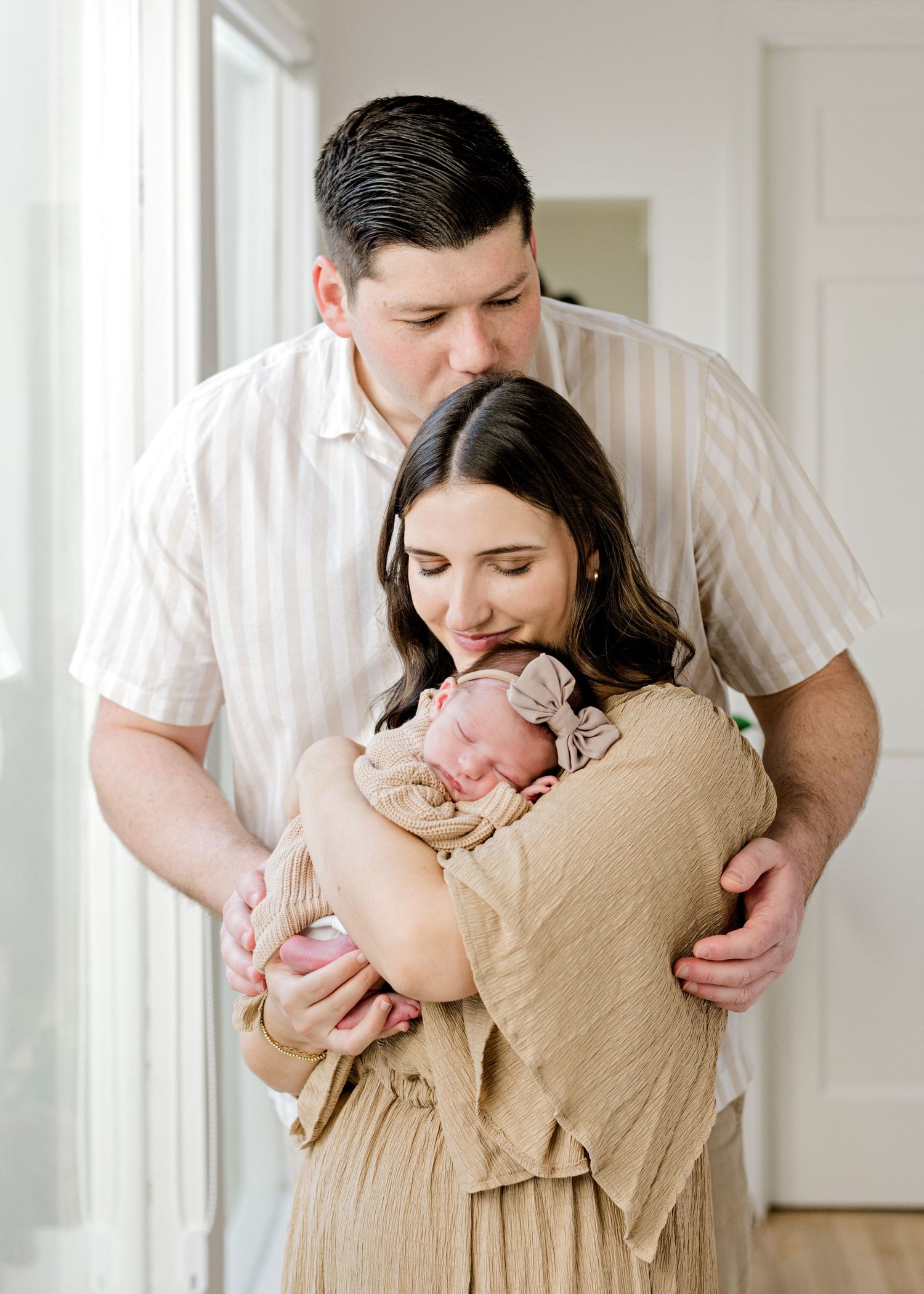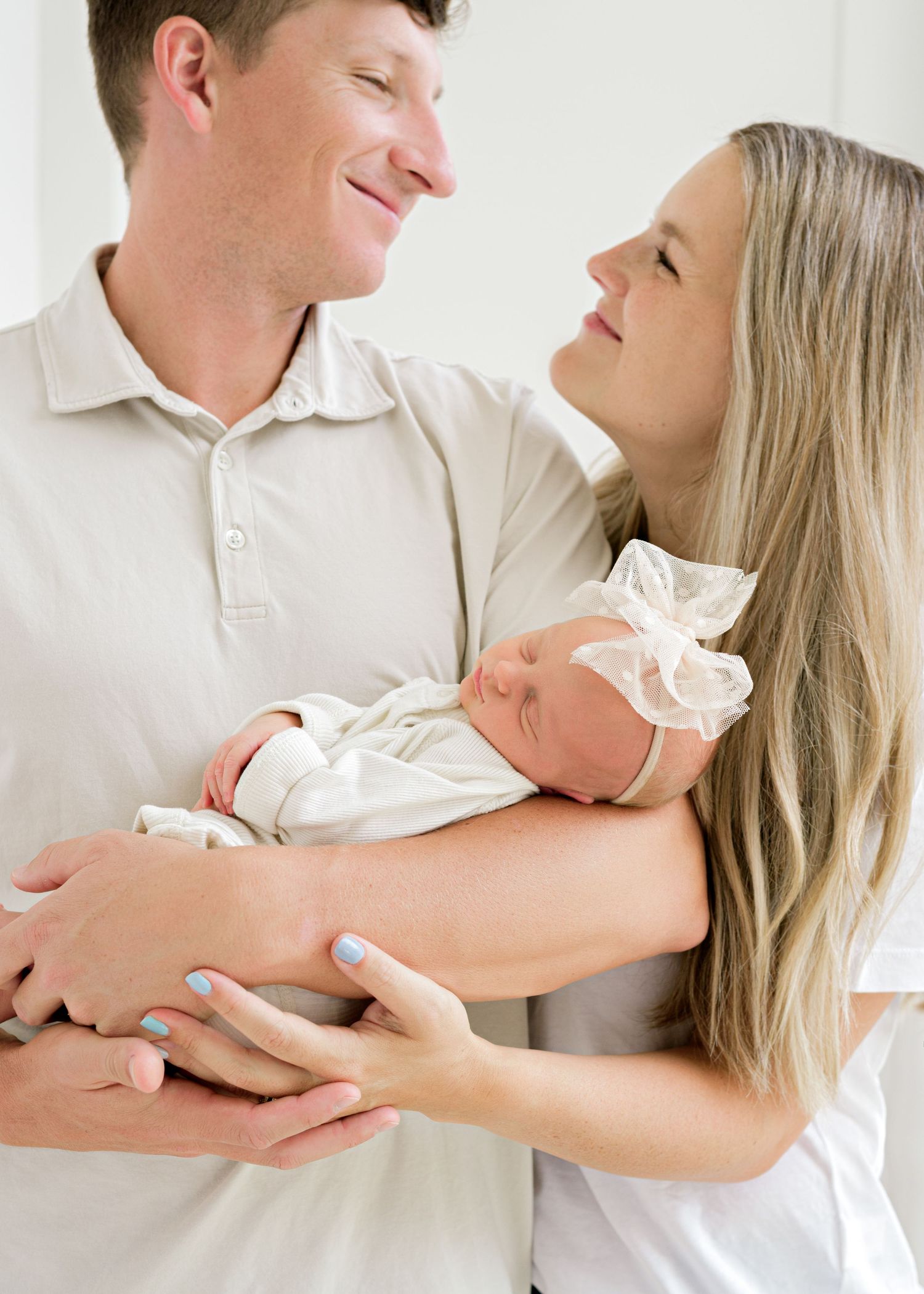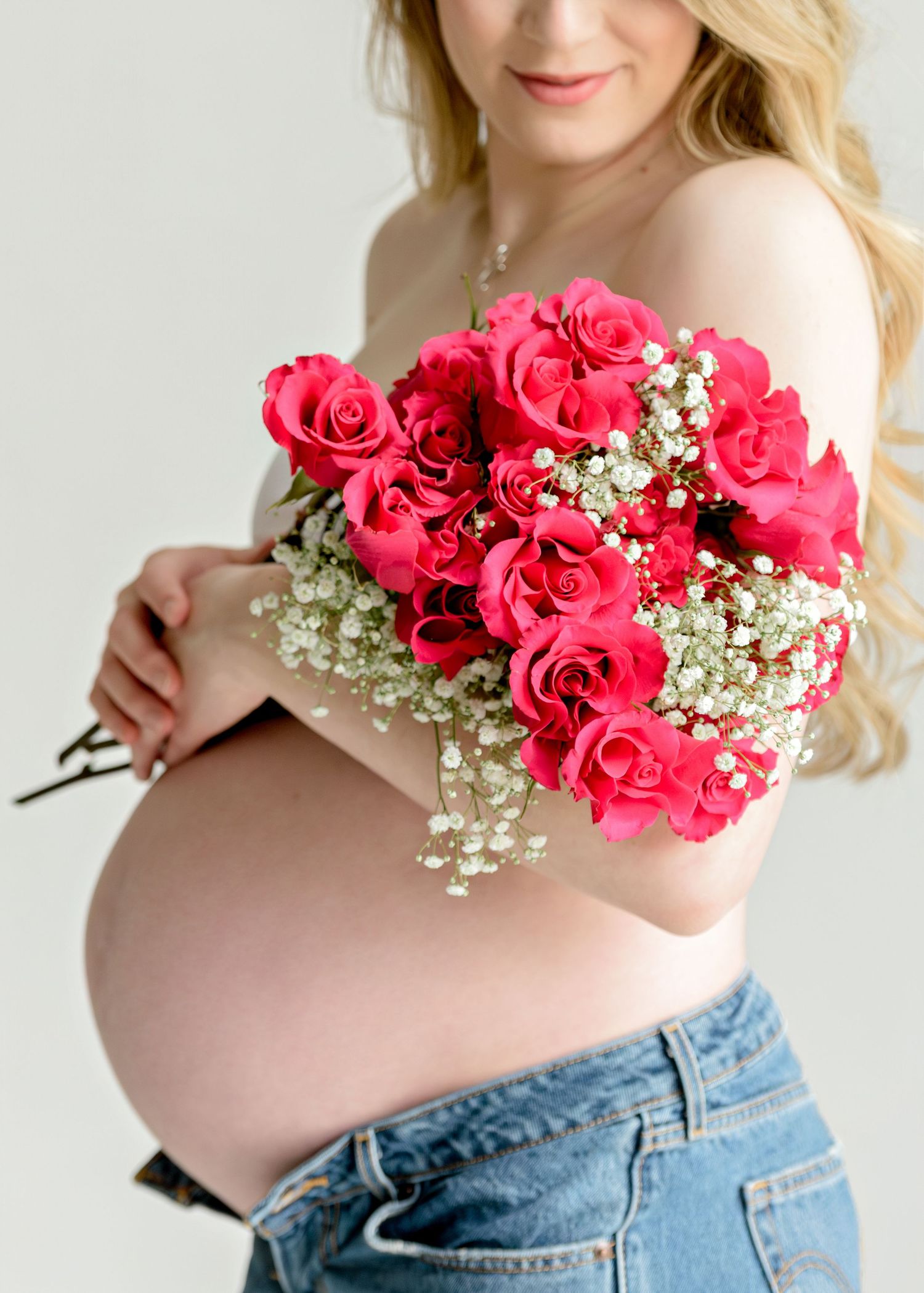
If you're expecting a baby, first of all—congratulations, mama.
Preparing for birth can feel exciting, emotional, and, if we're being honest, a little overwhelming. There is so much information available that it's hard to know what's actually helpful and what isn't.
While your doctor or midwife will guide you through the medical side of your pregnancy, there are often little details about labor and birth that don't always come up during routine appointments. Learning about your options ahead of time can help you walk into your birth feeling more informed, confident, and prepared.
Here are 10 things worth knowing before your big day. As you read, consider writing down any questions you'd like to discuss with your care provider at your next appointment.
1. You Have More Birth Location Options Than You Might Think
Many families automatically plan for a hospital birth, but depending on your health, pregnancy, and local resources, you may have other options.
Some women choose to give birth at a birth center or at home with a licensed midwife. Others feel most comfortable delivering in a hospital. There isn't one "right" choice, only the one that best fits your circumstances and your comfort level.
If you're considering different birth settings, have an open conversation with your provider about what options are available for your pregnancy.
Questions to ask:
- What birth settings are appropriate for my pregnancy?
- If I'm interested in a birth center or home birth, what would that process look like?
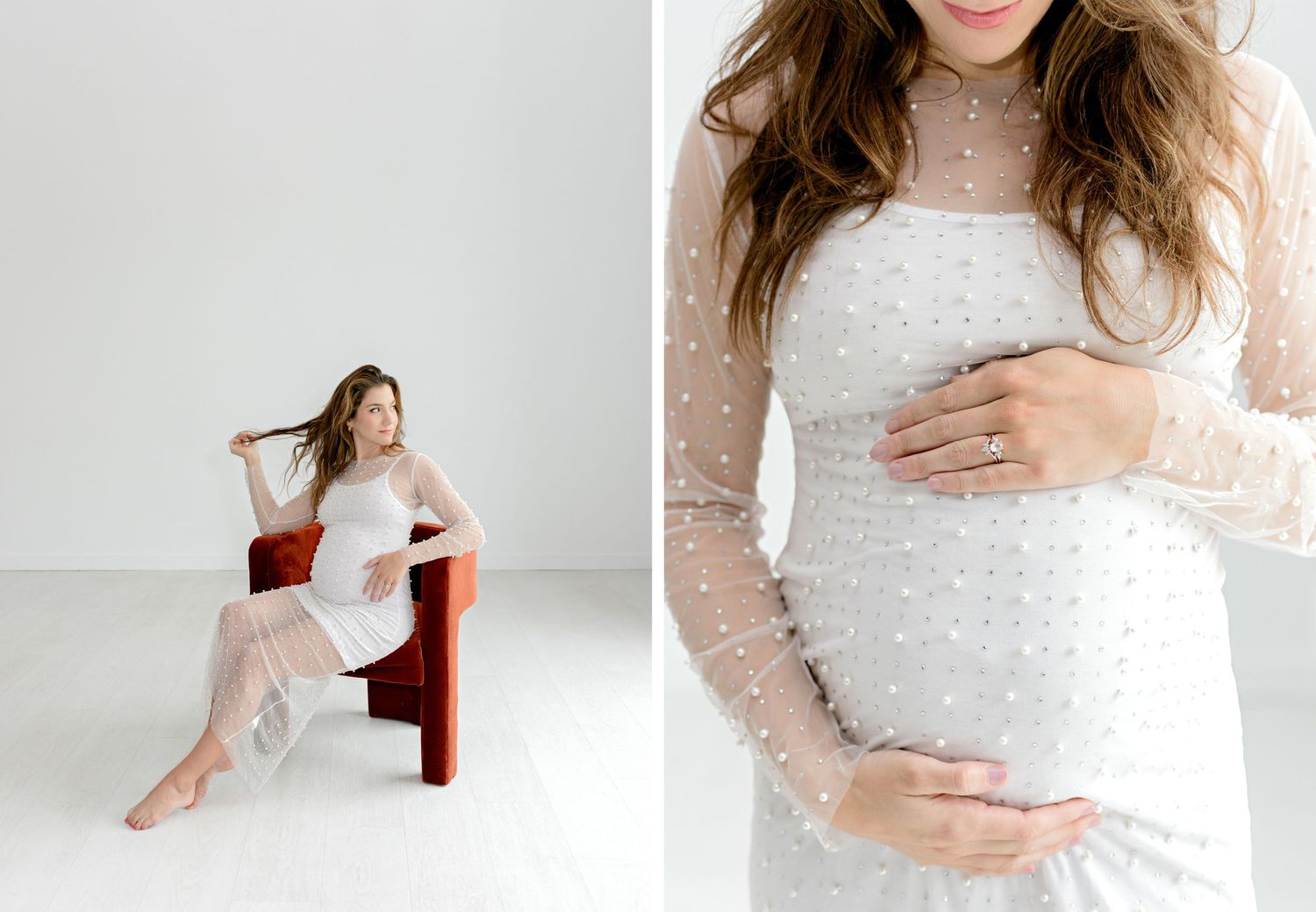
2. An Epidural Isn't Your Only Pain Relief Option
Epidurals are a wonderful option for many mothers, but they're far from the only form of pain management available.
Depending on where you deliver, you may also have access to nitrous oxide, IV medications, hydrotherapy, breathing techniques, movement, massage, counter pressure, hypnobirthing, and other comfort measures.
Every labor is different, and what works well for one mom may not be the best fit for another. Knowing your options ahead of time allows you to make decisions that feel right in the moment.
Questions to ask:
- What pain management options are available where I'll be delivering?
- Which options do you commonly see helping your patients?
3. You Can Create a Calm Environment
One of the easiest ways to make your birth space feel more peaceful is by bringing a few comforts from home.
Many hospitals allow you to play your own music, use battery-operated candles, diffuse calming scents (if permitted), or bring a favorite blanket or pillow. Small touches can make an unfamiliar room feel much more comforting.
Birth is a deeply personal experience, and creating an environment that helps you relax can make a meaningful difference.
Questions to ask:
- Can I bring my own music or speaker?
- Are there any restrictions on personal comfort items?

4. Water Can Be an Incredible Comfort Tool
Even if you're not planning a water birth, warm water can provide amazing relief during labor.
Many hospitals offer large showers, soaking tubs, or other ways to use hydrotherapy to ease contractions and encourage relaxation.
It's worth asking what your hospital offers so you can include it in your birth preferences if it's important to you.
Questions to ask:
- Are tubs or birth pools available?
- Can I labor in the shower or use warm water for comfort?
5. Yes... You Might Poop During Labor
Let's just get this one out of the way.
It's incredibly common—and your nurses and providers truly could not care less.
During the pushing stage, you're using the exact muscles needed to help bring your baby into the world. If it happens, your care team quietly takes care of it, and most moms never even realize it happened.
It may feel embarrassing now, but when the moment comes, you'll be completely focused on meeting your baby.
6. You Don't Have to Give Birth Flat on Your Back
One thing surprises many first-time moms: there are many different positions you can labor and push in.
Depending on your hospital, provider, and how labor is progressing, you may be able to stand, squat, kneel, use a birth stool, labor on hands and knees, lie on your side, or try other positions.
As a motherhood photographer, I've had the privilege of hearing so many beautiful birth stories over the years, and one thing I've learned is that every birth is unique. What feels best for one mama may be completely different for another.
Knowing your options beforehand can help you feel more empowered when labor begins.
Questions to ask:
- What pushing positions do you support?
- Are there any positions you typically encourage or avoid?

7. Doulas Provide Support Before, During, and After Birth
Many people think doulas are only present during labor, but they often provide support throughout pregnancy and into the postpartum season as well.
A doula's role is to offer emotional encouragement, physical comfort techniques, education, and continuous support while helping you advocate for your birth preferences.
Whether you're planning an unmedicated birth, an epidural, or even a scheduled cesarean, many families find having a doula incredibly valuable.
Questions to ask:
- Do you frequently work with doulas?
- Are there any local doulas you recommend?
8. Eating and Drinking During Labor Depends on Your Situation
Many moms are surprised to learn that eating and drinking policies can vary.
Some providers encourage light snacks during early labor, while others recommend limiting food depending on your medical situation or the possibility of surgery.
It's a great conversation to have before labor begins so you know what to expect.
Questions to ask:
- What are your guidelines for eating and drinking during labor?
- Under what circumstances would those recommendations change?
9. Preparing Your Mind Can Be Just as Helpful as Preparing Your Hospital Bag
Birth isn't only physical—it's mental and emotional, too.
Practicing breathing exercises, visualization, prayer, meditation, childbirth education, or relaxation techniques during pregnancy can help you feel more grounded when labor begins.
No preparation guarantees a certain type of birth, but building confidence beforehand often helps moms feel more equipped for whatever their story looks like.
Questions to ask:
- Are there childbirth classes or resources you recommend?
- What can I start practicing now to prepare for labor?
10. A Cesarean Birth Is Still a Beautiful Birth
Many moms hope for a vaginal delivery, but sometimes a cesarean becomes the safest choice for mom, baby, or both.
Whether it's planned or unexpected, a C-section is still a birth worth celebrating.
If your birth takes a different path than you originally imagined, it doesn't diminish your strength or the incredible way you brought your baby into the world.
Having a basic understanding of when a cesarean might be recommended can help ease fears if plans change.
Questions to ask:
- Under what circumstances might a cesarean become necessary?
- What can I expect during recovery if that happens?

Every Birth Story Is Beautiful
One of my favorite parts of motherhood photography is hearing the stories behind the babies I get to photograph. No two birth stories are exactly alike, and that's what makes them so special.
Whether your labor is long or short, medicated or unmedicated, vaginal or cesarean, your story matters. The goal isn't having the "perfect" birth—it's welcoming your little one safely into your arms.
And once your newest chapter begins, I'd love to help you preserve these fleeting moments through timeless, heartfelt photographs you'll treasure for years to come.
If you're expecting and looking for a motherhood photographer, I'd be honored to help you document this incredible season. Explore my portfolio here or reach out here to learn more about maternity and newborn sessions. I can't wait to hear your story.